
Lars Toutant, LCSW
Eating Disorder & Trauma Therapy
Compassionate, trauma-informed care for individuals seeking sustainable recovery and reconnection with their authentic selves.
I am a Licensed Clinical Social Worker specializing in the treatment of eating disorders through a trauma-informed lens. I work with individuals who feel stuck in cycles of disordered eating, body distress, or control patterns that often have deeper emotional roots. My approach is holistic and person-centered, integrating evidence-based therapy with an understanding of how trauma, stress, and the nervous system shape our relationship with nutrition. Together, we can focus on sustainable and long-term recovery.

Who I work best with
I work best with clients who are thoughtful, curious, and motivated to understand the deeper roots of their eating disorders in addition to focusing on symptom management.
Many of my clients have a history of trauma, chronic stress, perfectionism, or high responsibility, and have learned to rely on disordered eating as coping strategies. They are often outwardly functional while internally feeling exhausted.
I may not be the best fit for clients seeking highly structured, directive, or meal-plan–focused treatment, as my approach is more collaborative and individualized. When appropriate, I coordinate closely with nutritionists and medical providers to ensure comprehensive, integrated care.
My Approach
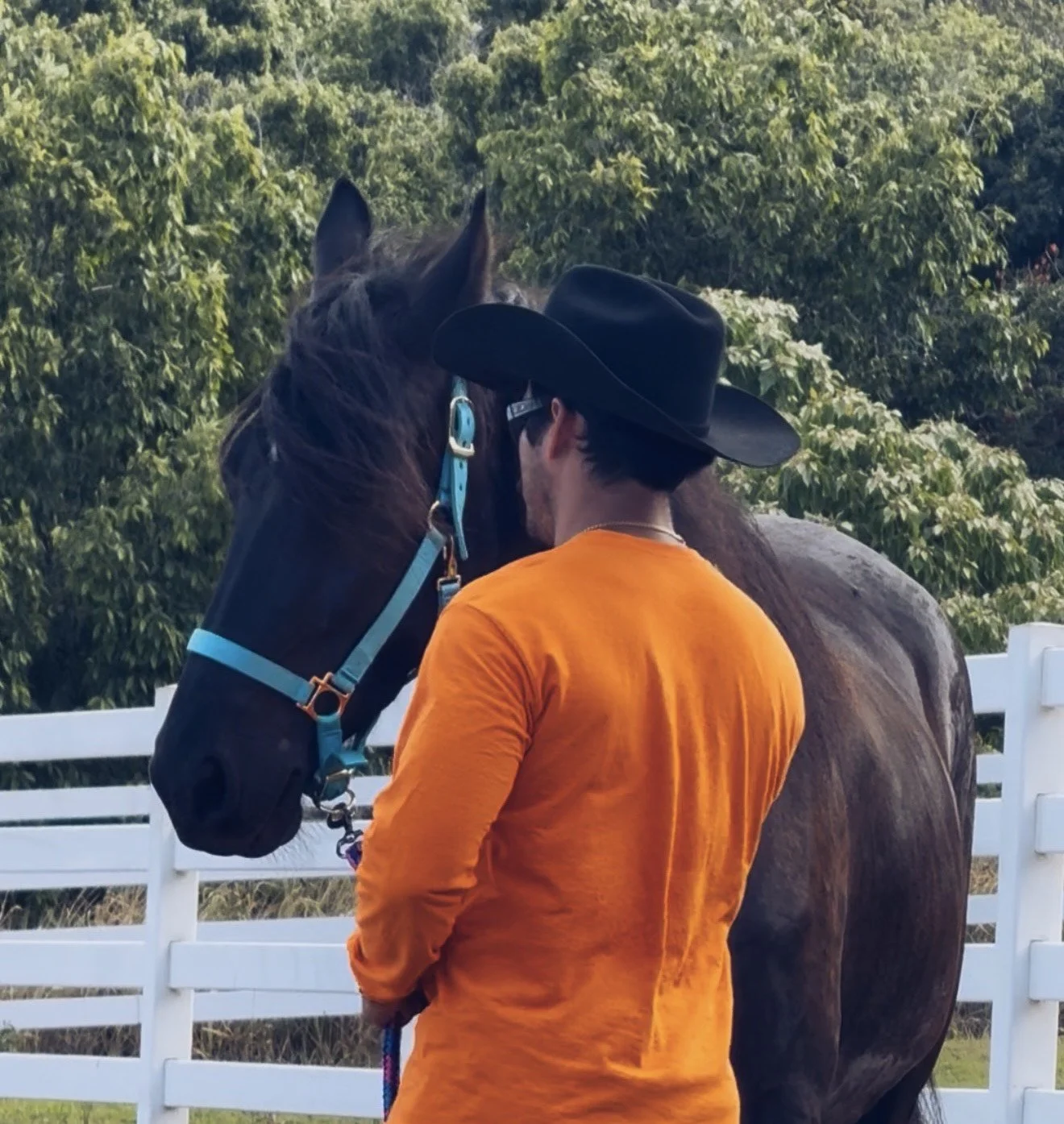
My practice is based in an understanding that eating disorders are a protective behavior, or coping mechanism, that has once served a valuable purpose. Therapy focuses on restoring a sense of safety within the body, increasing an awareness and capacity to feel and respond to emotional states. I focus on grounding and presence as healing principles.
Sessions are collaborative, paced, and responsive. We pay attention to thoughts and behaviors, noticing the body’s signals, emotions, and relational patterns. I don’t push but rather follow your natural process of insight and integration.
-
Dialectical Behavior Therapy teaches specific skills—mindfulness, distress tolerance, emotion regulation, and interpersonal effectiveness—tailored to support eating disorder recovery and increase awareness.
-
Cognitive Behavioral Therapy focuses on the connections between thoughts, behaviors, and emotions. When we change how we see the world or ourselves, our experience changes along with it.
-
Somatic therapy for eating disorders helps people reconnect with bodily sensations, regulate nervous system responses, and transform trauma-linked patterns around food and body by using mindful movement, breathwork, and body-centered awareness alongside traditional talk therapy.